
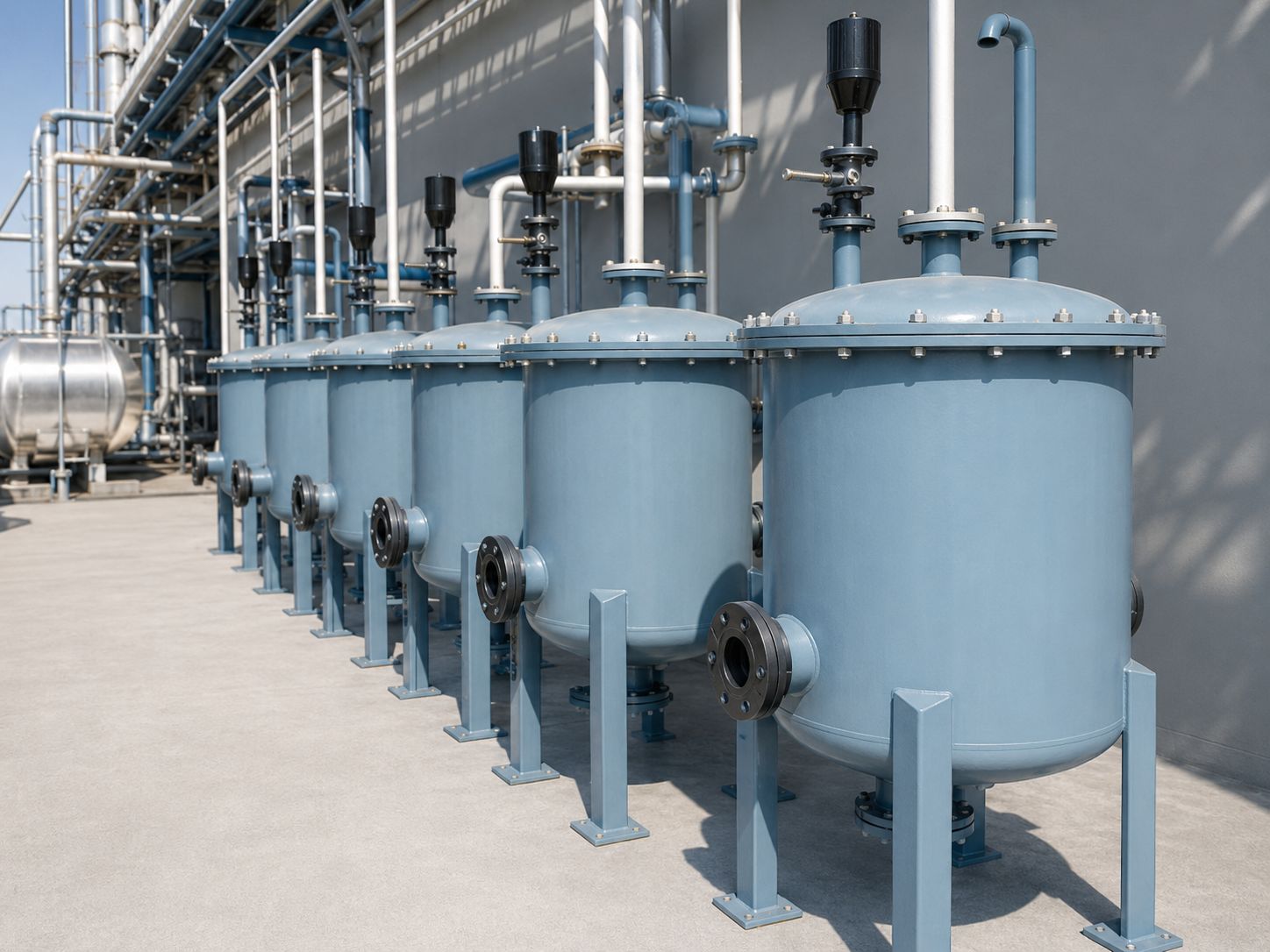
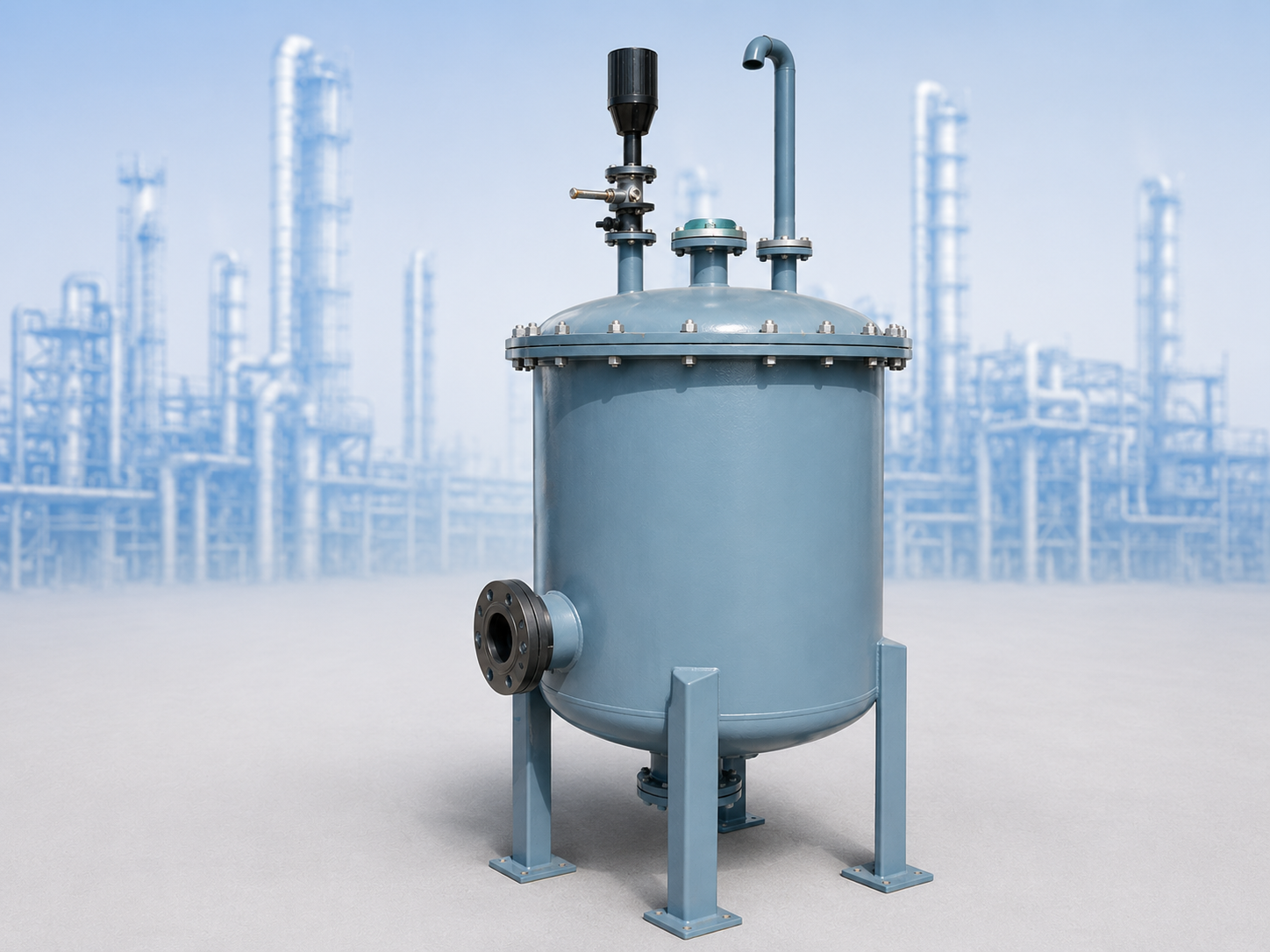
Vacuum traps are essential protective devices engineered to safeguard vacuum pumps and broader industrial systems from the damaging effects of liquid carryover, unwanted condensate, and fine particulates. By intercepting these harmful elements before they can infiltrate sensitive internal mechanisms, vacuum traps ensure consistent, highly reliable vacuum performance while preventing premature equipment failure.
Strategically installed inline between process vessels and vacuum pumps, these traps act as a critical frontline defense. Many industrial operations naturally generate moisture, volatile solvents, or stray debris that can severely degrade pump fluids, cause internal corrosion, and drastically diminish system efficiency. Vacuum traps effectively eliminate these operational hazards.
Designed for maximum durability and efficiency, these units feature adequate holding capacities and convenient drain provisions. This thoughtful engineering allows operators to easily manage collected liquids and perform routine maintenance without dismantling the system. Ultimately, integrating robust vacuum traps significantly extends the working lifespan of your pumps, minimizes costly downtime, and reduces overall maintenance frequency.
Features
Technical Specifications
| Capacity | 20 – 500 Liters |
|---|---|
| MOC | SS304 / SS316 |
| Design Pressure | Full Vacuum Rated |
| Fittings | Sight Glass, Drain Valve, Vacuum Nozzle |
| Mounting | Leg-mounted / Wall-mounted |
Applications
- Vacuum distillation systems
- Vacuum drying process protection
- Solvent recovery vacuum lines
- Reactor vacuum system protection
Industries
Advantages
- Extends vacuum pump service life
- Prevents costly pump damage
- Simple, low-maintenance design
- Improves overall vacuum system reliability
Our Products